
Use this template
Demonstration template — replace the content, formats, and timings before publishing.
Consultants, business coaches, and advisory firms serving SMEs and leadership teams.Template preview
Featured

Sillage Strategy

Sillage Strategy
01

Strategy advice for SME leaders: decide clearly, execute without detours.

See the formats
015-day diagnosis
02Prioritized plan
03Tracked execution

What we help you decide

Four situations keep coming up for SME leaders. If one of them is holding you back, a diagnosis is often enough to get the team moving again.

  • Growth

    Which market, which offer, which pace: choosing where to put this year’s commercial effort.

  • Organization

    Who decides what, when the team has grown faster than its roles, meetings, and tools.

  • Pricing and margins

    Reviewing a price list, dropping an unprofitable offer, understanding where the margin is made.

  • Priorities

    Too many open projects: sorting, sequencing, and saying no with criteria the whole team understands.

Start with a diagnosis

In about five days: interviews with the people who decide and those who execute, a review of the available figures, then a two-page brief naming the real constraint and the next decision to make.

Printed blue charts with a pen, calculator, and magnifying glass on a table.

Three formats

Each engagement is priced after a scoping call, before any commitment. Timings are indicative.

Diagnosis

Custom quote

About 5 days

Interviews with decision-makers Review of available figures Two-page decision brief

Growth plan

Custom quote

About 3 weeks

Two prioritization workshops Roadmap with owners Progress measures

Execution sprint

Custom quote

About 6 weeks

Weekly check-in with the team Ongoing decisions Review of first outcomes

Good strategy does not exist to fill a document. It connects every decision to the next observable outcome.

The through line

How an engagement runs

The same course whatever the format: at every stage you know who is involved and what you receive.

1

Scoping call

One hour to state the decision, its constraints, and the right format.

2

Interviews and figures

Key people are heard and the available data reviewed.

3

Decision workshop

Options are compared against explicit criteria; one priority is chosen.

4

Follow-up

A regular check-in until the first observable outcome.

Field notes

What we learn on engagements, summed up in a few lines. The full notes go out with the monthly letter.

Priorities

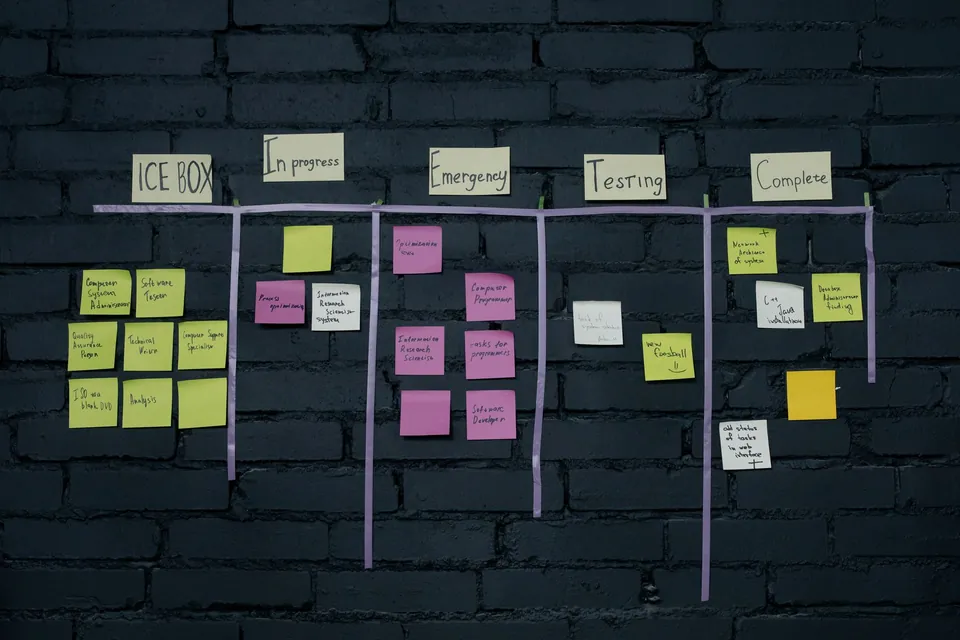
Sorting projects without upsetting anyone

A board in columns, three criteria written in advance, and one simple rule: nothing comes in unless something goes out.

Sticky notes sorted into columns on a dark brick wall.

Growth

Opening a market: three questions first

Who buys, who decides, who pays: if one answer is missing, the sales plan can wait.

Hand drawing a bar chart with a marker on a whiteboard.

Pricing

Reviewing prices without losing clients

Start with the least profitable offers, give early notice, and explain what changes for the client.

Hands holding a printed chart over a meeting table.

The monthly letter

Once a month: an anonymized decision case and a tool to reuse in your leadership meetings. Unsubscribe in one click.

Which decision needs settling now?

Describe the situation in a few lines: you receive a proposed scoping call within two working days.